Map
[usa_states_map]
What is kennel cough? Kennel cough is a common respiratory illness found in dogs. The most notable symptom is a high-pitched hooting cough that may sound like gagging, choking, or a goose honk. Similar to a cold in people, kennel cough can cause your dog to feel run down for 3-14 days but is not generally a serious issue. Just as with human colds, it can lead to secondary infection (which is generally highly treatable) but usually goes away on its own after 1-2 weeks. Symptoms • Chronic high-pitched hooting cough • Choking or gagging sounds • Slight fever • Lack of appetite and energy • Eye or nasal discharge
Parasites can be a pet owner’s nightmare Intestinal parasites are tiny organisms that can live in your dog’s intestinal lining. They steal nutrients from your dog’s digestive tract and can cause a variety of symptoms that may make your dog sick. They can be challenging to eliminate from your property and may repeatedly re-infect pets or even people if not properly cleaned up. Parasites pass from infected fecal material into soil and other surfaces. Dogs can become infected with parasites when they walk across these contaminated surfaces or soil and track parasite eggs throughout the yard or house. They ingest eggs while licking their paws to groom themselves causing an infection to start. Many dogs show no symptoms during an active parasite infection, making them silent spreaders of disease in your house. We’ve outlined the best way to eliminate parasites from your property during an active parasite infection in your dog and prevent them from occurring again. All dogs should be tested for intestinal parasites twice a year. A veterinarian can perform a simple fecal test to see if your dog is suffering from intestinal parasites. Also called an Ova and Parasite exam, or O&P, this is a routine procedure where your vet will collect a stool sample from your dog, mix it with a specific chemical, and examine it underneath a microscope to look for the presence of parasites or their eggs. They can then recommend treatment based on their findings. Many puppies experience an active parasite infection, even if they come from a reputable breeder. Always have new dogs, especially puppies, checked for parasites prior to bringing them home. A Parasite for Every Season Parasites are found in infected soil year round. Many parasites, like Tapeworm and Giardia, tend to prefer cool, moist soil conditions found during the rainy season in Spring and Fall while more hardy parasites, like Whipworm and Roundworm, tend to appear in the colder drier months of winter. Parasites can lay dormant in the soil and reappear during peak months. Parasite infections in dogs may come and go if the contamination source, the infected soil, is not properly treated.
What to do when a dog has diarrhea This is a general guideline for handling mild cases of loose or runny poop. If your dog is having chronic issues there may be an underlying issue that requires a vet. Skip all food and treats until the dog’s system has completely dried out. If the dog continues to have any diarrhea, do NOT feed it anything. This usually requires skipping one meal but can sometimes be two meals. If the dog’s situation is not improving or getting worse there could be a deeper issue. You may need to return the dog to its normal diet and consult a vet. 1st meal back: Substitute the dog’s food completely with only plain rice and/or pumpkin. We also advise adding a probiotic to help your dog’s digestive system as well as a gastric absorbent supplement such as Canine Biosponge or Endosorb. 2nd meal back: If the dog is still normal, add half the dog’s normal food plus rice and/or pumpkin. 3rd meal back: If the dog still has no diarrhea, they can return to their normal diet. Note: Skip all treats until the dog is normal again!
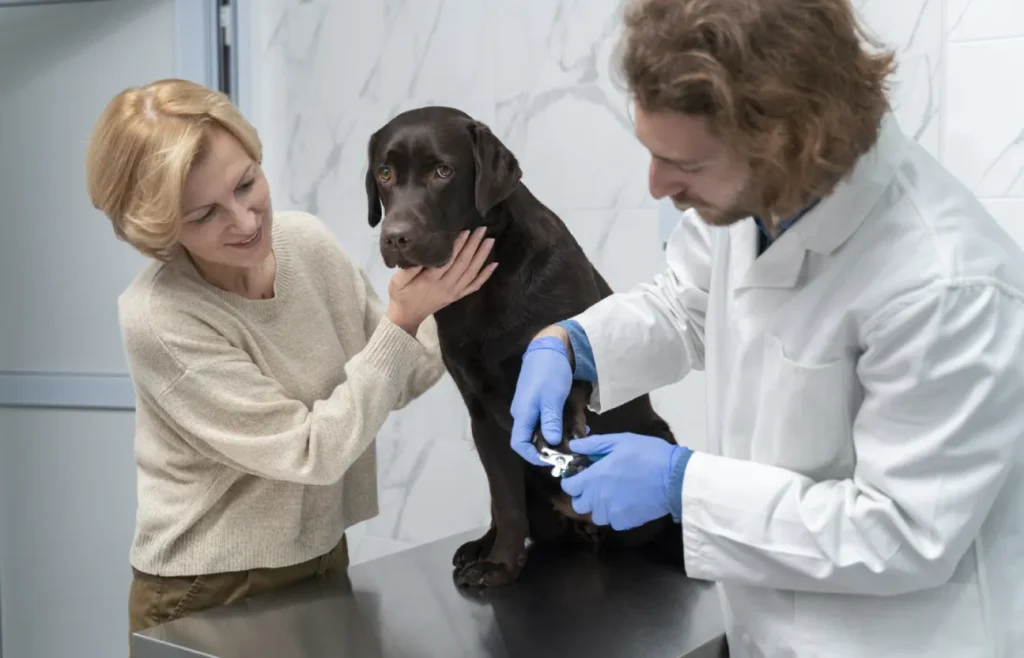
Bringing home your new dog is an exciting but overwhelming time. We’ve put together our top 5 tips to make your dog’s transition to your new home as seamless as possible! 1. Bring your dog straight to the vet: Schedule an appointment with your vet to have your new dog tested for both worms and Giardia BEFORE ever bringing it to your home. Parasites are difficult to get rid of once they infect your property. Your dog should be tested no matter where you get your dog from, even if it is from a professional breeder. For more info on parasites, read our Parasite Protocol. 2. Be calm: It’s ok to be excited but try to keep your interactions with your new dog calm and controlled. Build trust by being stable and predictable for your dog. 3. Use a kennel: Have an appropriately sized kennel set up and waiting before your new dog’s arrival. Kennels help to establish a sense of order, routine, and boundaries for your new dog. We like to keep it simple and only add a cheap, soft towel in the kennel for bedding. 4. Establish routine: Give your dog a sense of order by establishing a routine. Show the dog where to potty, where to drink, and where to eat. Feeding your dog in the kennel is an easy way to make the dog like the kennel. Keep water bowls outside of the kennel. 5. Keep the dog on a leash: Keeping your dog leashed gives you the ability to control your dog at all times. You can always guide your dog if they are wearing a leash. Focus on routine and relationship. Dogs make associations every day so do your best to Show, Teach, Explain what everything means. Keep the serious things serious and the light things light. Learn to agree and disagree with your do. Don’t forget to enjoy your new companion!